Search engine optimization has moved far beyond the days of stuffing exact-match keywords into every paragraph. Modern algorithms prioritize context, relevance, and depth. This shift has made topical authority one of the most critical elements of a successful digital strategy. If you want to rank well, you must prove to search engines that your website is a trusted, comprehensive resource on a specific subject. Partnering with expert SEO Services can help you navigate this transition, moving your strategy away from isolated keyword targeting and toward building a cohesive, authoritative web presence.
Demonstrating expertise across a whole topic builds trust with both your audience and search engines. When you thoroughly answer your users’ questions and organize that information logically, you signal that your site is the ultimate destination for that subject.
Let’s explore exactly why this matters and how you can build true topical authority for your own website.
Why Topical Authority Matters for Your Website
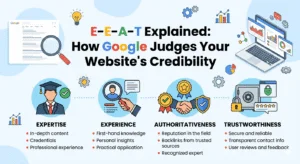
Google’s algorithms are constantly evolving to better understand human language and user intent. Updates focusing on Experience, Expertise, Authoritativeness, and Trustworthiness (E-E-A-T) mean that search engines want to reward sites that genuinely know what they are talking about. They no longer look at a single web page in a vacuum. Instead, they evaluate how well your entire website covers a specific subject area.
When you build topical authority, you naturally create a better experience for your visitors. Users easily find the answers they need without bouncing back to the search results. This satisfying user experience translates into stronger engagement metrics, which search engines notice.
As your authority grows, your website gains better visibility on the Search Engine Results Page (SERP). You will start ranking for a wider variety of long-tail keywords effortlessly. Becoming the go-to resource builds immense trust with your audience, shortening the sales cycle and transforming casual readers into loyal customers.
Key Components of Building Topical Authority
Building a reputation as an expert source requires a structured approach. You need to combine deep content with smart technical connections.
Comprehensive Content Creation
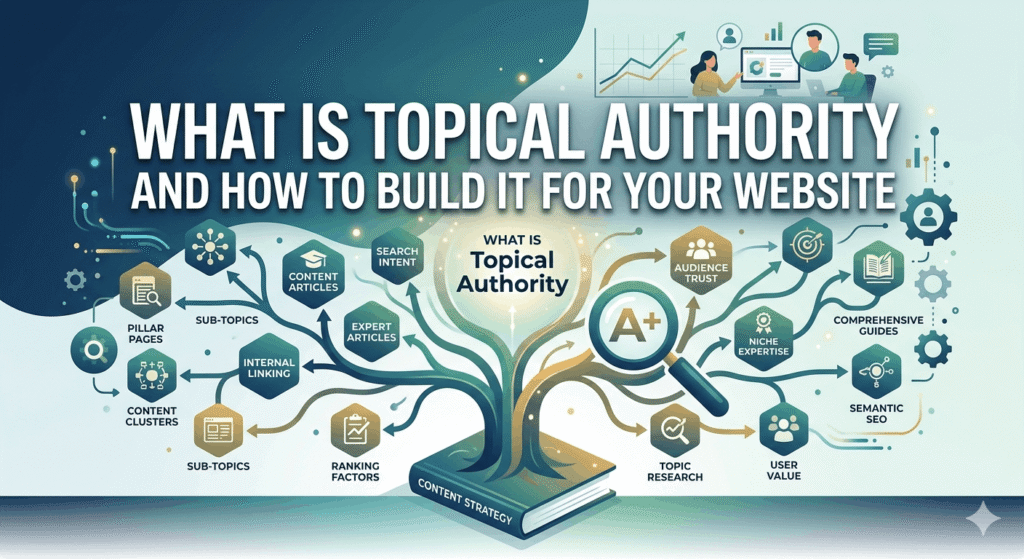
To be seen as an authority, you must cover a subject from every possible angle. This is where the pillar and cluster content strategy becomes invaluable. A pillar page acts as a comprehensive guide covering a broad topic at a high level. Cluster pages then branch off from this pillar, diving deep into specific subtopics and answering granular questions.
This model allows you to use a mix of long-form and short-form content. The pillar page is typically a long-form, ultimate guide. The cluster pages can be shorter, highly focused blog posts addressing specific long-tail keywords. Together, they form a web of related information that leaves no user question unanswered.
Internal Linking Strategy
Great content needs a strong infrastructure to support it. Internal linking connects your pillar pages to your cluster pages, creating a semantic relationship that search engines can easily crawl and understand.
When you strategically link related content, you improve site navigation. Users naturally flow from one article to the next, deepening their engagement with your brand. Furthermore, a strong internal linking structure helps spread link equity across your site. If your main pillar page earns a powerful backlink, that authority flows down to the connected cluster pages, boosting the entire topic group.
External Linking and Backlinks
While topical authority starts with your own content, external validation still plays a massive role. High-quality backlinks from authoritative sources act as votes of confidence. When respected industry sites link to your pillar pages, it reinforces your status as an expert.
Earning these relevant backlinks requires creating unique, valuable resources. Original research, comprehensive industry guides, and highly actionable tutorials naturally attract links. You can also use digital PR and guest posting on relevant publications to actively build a strong backlink profile.
User Experience (UX) and Engagement
Search engines closely monitor how users interact with your website. If a visitor clicks your link and immediately leaves, it signals that your content did not satisfy their intent. A positive user experience directly contributes to your authority signals.
Focus on keeping your site fast, mobile-friendly, and easy to read. High dwell times, low bounce rates, and strong click-through rates between your internal pages tell algorithms that your content is genuinely helpful. Clear formatting, engaging visuals, and accessible design all keep users on your site longer.
Practical Steps to Build Topical Authority
Ready to put this into practice? Follow these actionable steps to establish your website as an industry leader.
Topic Research and Keyword Gap Analysis
Start by identifying the broad topics that matter most to your business and your audience. Think about the core problems your product or service solves. Once you have your main topics, break them down into specific subtopics.
Use SEO tools to perform a keyword gap analysis. Look at the topics your competitors are covering that you are currently missing. Identify the questions your audience is asking on forums, social media, and in search engines. This research forms the blueprint for your pillar and cluster strategy.
Content Calendar and Planning
With your research complete, organize your content production. Structure your content calendar around topic clusters rather than random, disconnected ideas.
Prioritize high-impact topics that align with your business goals. Plan to publish a core pillar page and several supporting cluster articles simultaneously or in quick succession. This helps you establish authority on a subject much faster than publishing one related post every few months.
Optimizing for Search Intent
Every piece of content you create must align perfectly with what the user is actually looking for. Search intent usually falls into four categories: informational, navigational, commercial, and transactional.
Tailor your content to match the different stages of the buyer’s journey. Early-stage cluster posts should focus on purely educational, informational intent. As users move closer to the pillar page or commercial pages, the content should help them evaluate options and make a purchasing decision.
Monitoring and Iteration
SEO is never a “set it and forget it” task. You must actively track your progress and analyze your performance. Monitor your keyword rankings, organic traffic, and how users are flowing through your internal links.
Regularly update and expand your existing content. As industries evolve and new trends emerge, revisit your pillar pages to ensure they remain the most accurate and comprehensive resources available. Keeping your content fresh protects the authority you have worked so hard to build.
Common Mistakes to Avoid
When racing to publish content, many website owners fall into a few predictable traps. The most common mistake is publishing thin content that fails to provide real value. Pumping out dozens of short, unhelpful articles will actively harm your authority.
Likewise, keyword stuffing is a dated tactic that ruins readability and triggers search engine penalties. Always prioritize natural language and user intent over rigid keyword insertion. Finally, avoid focusing solely on individual keywords. Always think about how a new article fits into your broader topic clusters.
The Path to Long-Term SEO Success
Building topical authority is a marathon, not a sprint. It requires a holistic approach to SEO that combines deep research, thoughtful content architecture, and a relentless focus on the user experience.
By organizing your expertise into clear, interlinked topic clusters, you create a website that search engines love to rank and users love to read. Commit to thoroughly answering your audience’s questions, and you will gradually build a truly authoritative website that dominates the search results for years to come.