Creating high-quality content requires more than just sprinkling a few keywords across a page. Search engines want to serve helpful, reliable information to their users. To accomplish this, Google uses a specific framework to evaluate the quality of web pages and rank them accordingly. If you want to increase your organic traffic, you need to understand how this system works. Implementing proven SEO Services that align with these evaluation guidelines will help your website gain visibility and capture valuable search traffic.
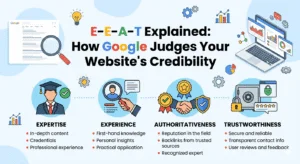
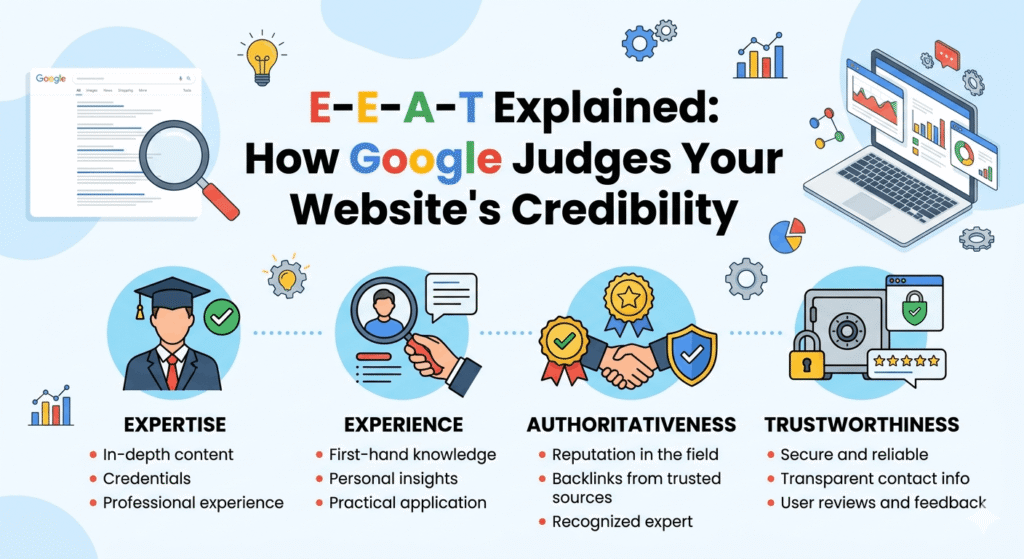
This framework is known as E-E-A-T, which stands for Experience, Expertise, Authoritativeness, and Trustworthiness. Google’s Search Quality Rater Guidelines rely heavily on these four pillars to determine if a website offers genuine value. When content creators focus on these principles, they send strong signals to search algorithms that their pages are safe, accurate, and highly relevant to user queries.
Optimizing for E-E-A-T is not a quick hack or a temporary trend. It is a long-term strategy that builds a solid foundation for digital growth. By demonstrating real-world knowledge and maintaining a secure, reputable website, you can establish a strong connection with both search engines and your target audience.
Deep Dive into Experience
Google recently added the extra “E” for Experience to its evaluation framework. This update highlights the value of first-hand, practical involvement with a topic.
What Constitutes “Experience” in Google’s Eyes?
Experience refers to the creator’s actual, real-world encounter with the subject matter. Search engines want to know if the person writing a product review actually used the product. They want to see if a travel blogger physically visited the destination they are writing about. Content written by someone with authentic, hands-on involvement provides unique insights that a generic summary simply cannot offer.
How to Demonstrate Experience on Your Website
Showcasing your experience requires sharing specific details that prove you did the work. Use original photographs instead of stock images. Share personal anecdotes, challenges you faced, and specific outcomes you achieved. If you are reviewing software, include screenshots of your specific dashboard. The goal is to provide tangible evidence that you have lived the topic you are covering.
Deep Dive into Expertise
While experience focuses on hands-on involvement, expertise centers on knowledge, qualifications, and skill.
Defining Expertise in Content Creation
Expertise means you have the necessary educational background or professional credentials to speak accurately about a subject. An accountant writing a tax guide possesses expertise. A licensed contractor explaining how to frame a house demonstrates expertise. Search algorithms look for signals that the author is qualified to provide the information presented on the page.
Strategies for Showcasing Expertise to Google and Users
You can highlight your expertise by adding comprehensive author bios to your blog posts. Include relevant degrees, certifications, and years of professional practice. Link to the author’s LinkedIn profile or professional portfolio. Additionally, ensure your content is comprehensive, accurate, and free of factual errors. Writing detailed, well-researched articles that answer specific user questions will establish your site as a knowledgeable resource.
Deep Dive into Authoritativeness
Authoritativeness measures your reputation within your specific industry. It looks at how other experts and websites perceive your brand.
Understanding Authority in the Context of SEO
Authority is about being recognized as a go-to source for a particular topic. When other reputable sites in your niche consistently refer to your content, search engines recognize you as a leader. If people search for your brand name alongside industry keywords, it indicates strong brand authority.
Building Authority Through Backlinks and Mentions
Earning high-quality backlinks from respected websites is the most effective way to build authority. Publish original research, insightful case studies, and comprehensive guides that naturally attract links. Engage in digital PR by providing expert quotes to journalists. You can also participate in industry podcasts or speak at conferences to increase brand mentions across the web.
Deep Dive into Trustworthiness
Trust is the most critical component of the E-E-A-T framework. If a website is untrustworthy, high levels of experience, expertise, and authority will not save its rankings.
The Cornerstone of E-E-A-T: Establishing Trust
Trustworthiness evaluates the accuracy, honesty, and safety of your website. Search engines want to ensure they are not sending users to scams, phishing sites, or pages filled with misleading information. Users need to feel confident that their data is secure and that the advice they read will not harm them.
Practical Ways to Build and Maintain User Trust
Start with the technical basics. Ensure your website has a valid SSL certificate (HTTPS) so user connections are secure. Provide transparent information about your business, including a physical address, a clear contact page, and accessible customer service channels. Cite your sources when making factual claims, and clearly distinguish between editorial content and sponsored advertisements.
How E-E-A-T Impacts YMYL Content
Certain topics require a much higher standard of E-E-A-T. Google classifies these topics as Your Money or Your Life (YMYL). YMYL content covers subjects that could significantly impact a person’s health, financial stability, safety, or happiness.
Examples of YMYL topics include medical advice, investment strategies, legal counsel, and emergency preparedness. If a website provides inaccurate information on these subjects, it could cause severe real-world harm. Consequently, search engines scrutinize YMYL pages with extreme rigor. If you publish YMYL content, your authors must possess verifiable professional credentials, and your site’s trustworthiness must be impeccable.
Actionable Steps to Improve Your Website’s E-E-A-T
Improving your credibility takes time, but you can start implementing positive changes immediately. Follow these actionable steps to strengthen your website:
- Update Author Profiles: Create dedicated author pages detailing professional backgrounds, credentials, and links to active social media profiles.
- Audit Existing Content: Review older blog posts for accuracy. Update statistics, fix broken links, and remove outdated advice.
- Publish Original Research: Conduct surveys or analyze proprietary data to create unique reports that naturally attract backlinks.
- Improve Website Transparency: Make sure your “About Us” and “Contact” pages are easy to find and contain accurate, verifiable business information.
- Encourage Customer Reviews: Collect authentic reviews on third-party platforms like Google Business Profile to build external trust signals.
Preparing Your Site for the Future of Search
Search algorithms will continue to evolve, but the demand for reliable, helpful information remains constant. By prioritizing Experience, Expertise, Authoritativeness, and Trustworthiness, you align your content strategy with the core goals of search engines. Focus on creating resources that genuinely help your users solve their problems. When you build a website that puts people first, you create a sustainable organic growth engine that will withstand future algorithmic shifts.